

Development
The 7 Stages of a Small Residential Property Development (and Where the Margin Hides)
TL;DR: Every small development moves through the same seven stages, and the margin is won or lost in the first two, site selection and feasibility. A well-run project makes its money from the work of developing, not from waiting on the property cycle.
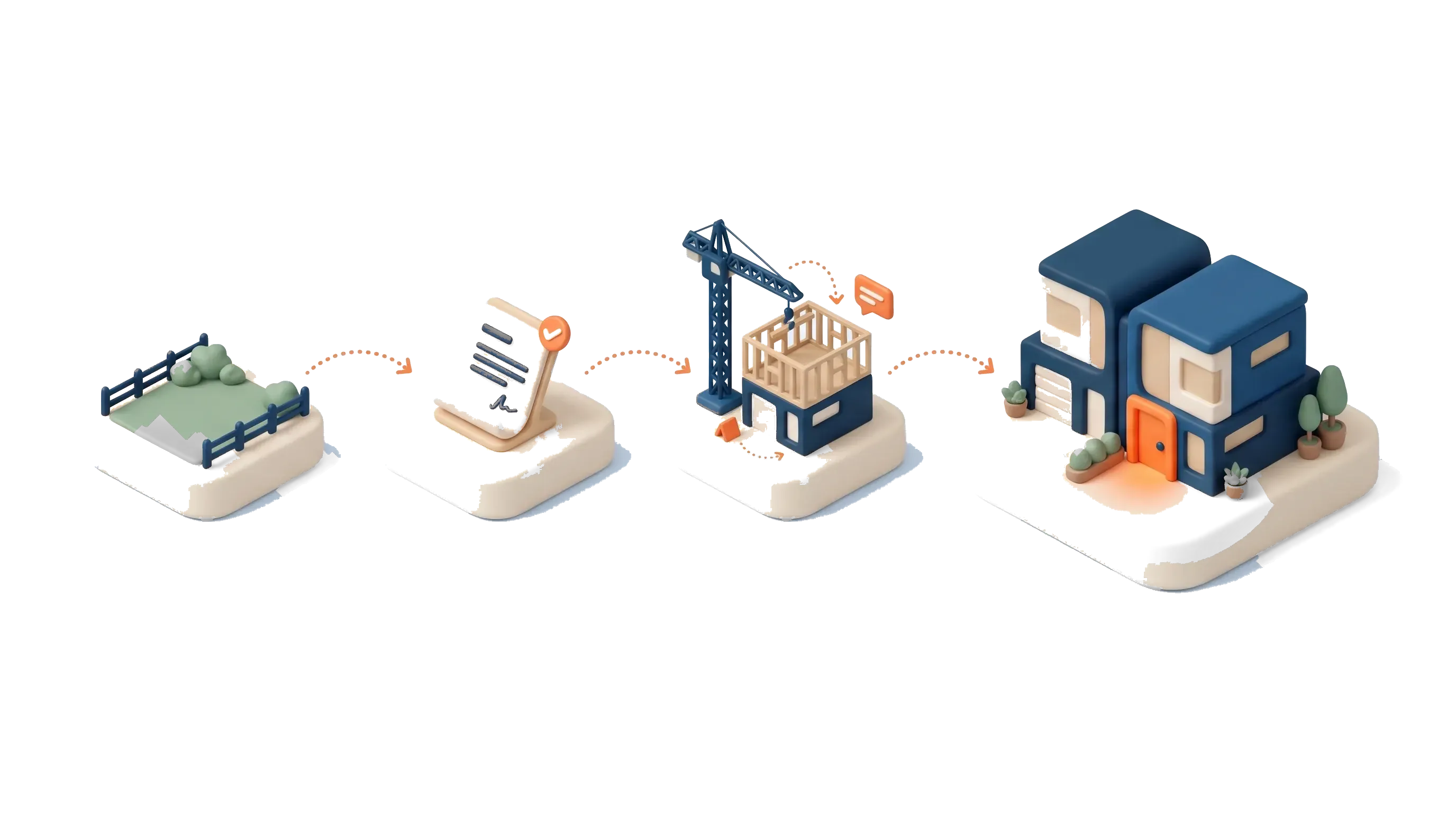

Do you know which of the seven stages of a property development actually decides whether you make money?
Have you assumed it is the build, because that is the part you can see?
And what if the margin was already set before a builder ever quoted the job?
It was, and that is the uncomfortable part. Ahead: every stage of a small residential development, whether it is a duplex, a knock-down-rebuild or a handful of townhouses, from site selection through to the hold-or-sell decision at the end, and exactly where at each step the margin is protected or quietly given away.
This article sits under our FracHaus guide to property development. If you are new to the topic, start there.
Stage 1: Research and site selection
Everything downstream depends on this. The question is not “is this a nice block?” but “is there real, durable demand for the kind of home this site can produce?” Get this wrong and no amount of clever building saves you.
This is where data earns its keep. We model supply and demand for a location before we go near it. A beautiful home in a place nobody wants to live is just an expensive mistake. The margin here is hidden in the discipline to walk away from sites that don’t stack up.
Stage 2: Feasibility
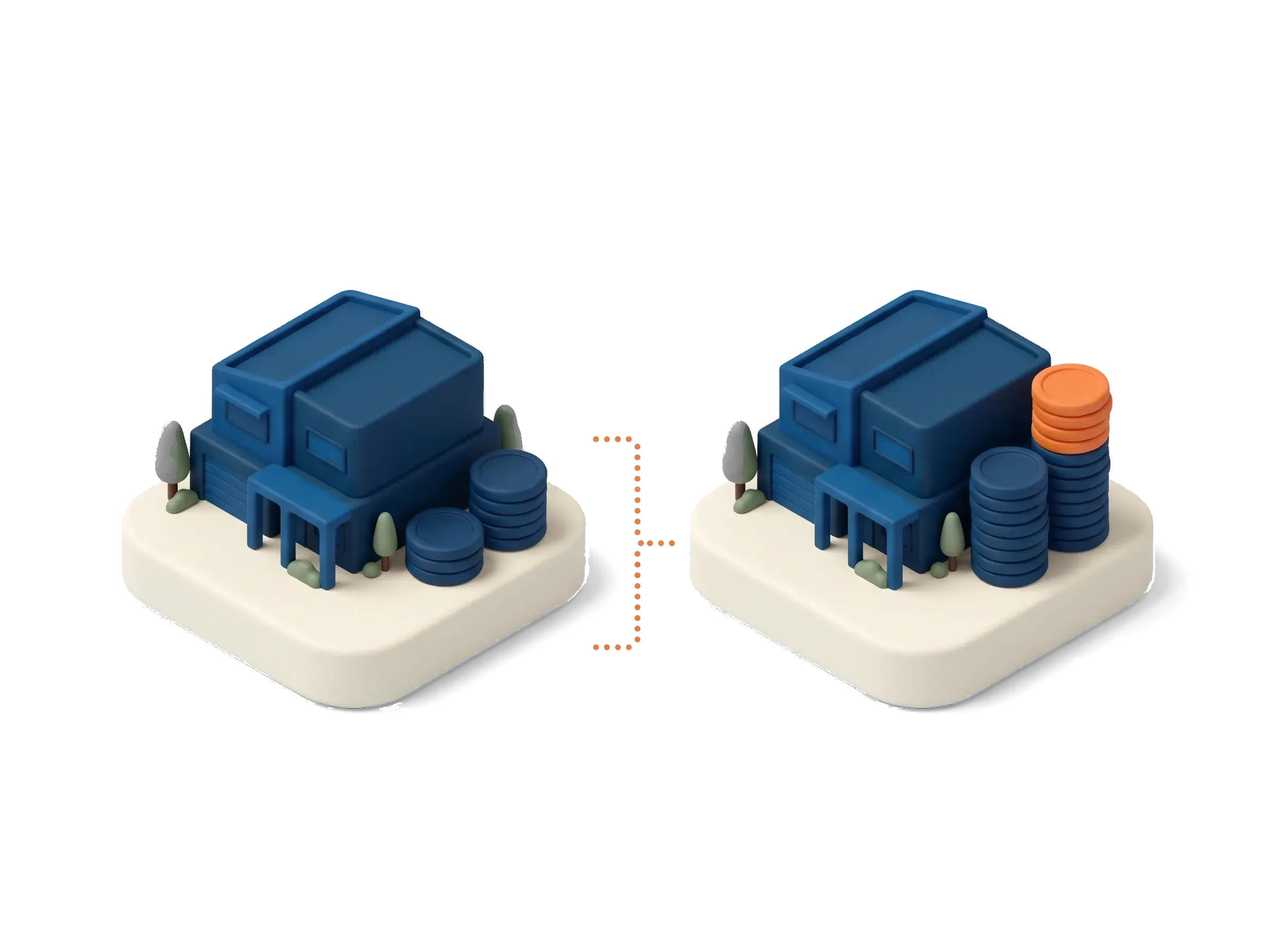
Feasibility is the single most important number in development. It works backwards from what the finished homes will be worth, subtracts every cost to create them, and tells you two things: what the land is really worth, and how much margin is left.
We cover this in depth in development feasibility 101, but the headline is simple. If a project is not feasible on paper, before anything is built, the market almost never rescues it. The margin at this stage is protected by being conservative: honest costs, realistic end values, and a buffer.
Stage 3: Acquisition
Securing the site on the right terms is its own skill. Price matters, but so do the conditions: due diligence periods, settlement timing, and any approvals you can secure before you are fully committed. A well-structured acquisition protects the margin you proved in feasibility. A rushed one can hand it straight back.
Stage 4: Design and planning approval
Now the site becomes a scheme. Good design is not about winning awards, it is about producing homes the market wants at a cost that works, and getting them approved. Planning can add real value here, an approval to build something better or denser than what exists lifts what the land is worth. It can also burn time, which is why the next point matters so much.
Stage 5: Construction
This is where budgets meet reality. Build cost is usually the largest single number in the project, so it is also where the margin is most exposed. Fixed-price contracts, a capable builder, and tight oversight are how you keep the margin from leaking away between the first slab and the last coat of paint.
Stage 6: Completion and settlement
The homes exist. Value is realised. This stage feels like the finish line, but it carries its own risks: valuations at completion, finance conditions, and timing. Everything you did in the earlier stages either pays off here or comes back to bite.
Stage 7: Hold or sell
The final decision. Sell the finished homes and capture the development margin as a return, or retain them for yield. This is exactly the fork the two FracHaus paths are built around:
- Co-develop for a cash return, where the margin created by the build is realised as capital.
- Acquire at developer cost price, where a finished home is retained at cost for a stronger rental yield.
The thread through all seven stages of a property development
Notice what does not appear on this list: waiting for the property cycle. A well-run development makes its margin from the work of developing, not from hoping the market rises. That is the whole point, and it is why the location and the feasibility, stages one and two, matter more than anything that comes after.
Want to see how the numbers are actually laid out? Read development feasibility 101 next, or go back to the property development guide.
Frequently asked questions
Where is the margin actually made in a small development?
In the first two stages, site selection and feasibility, long before anything is built. Those stages decide whether there is durable demand for what the site can produce and whether the numbers leave a real margin. Later stages can protect or leak that margin, but they very rarely create it, which is why rushing the front end is the most expensive mistake available.
Which stage of a property development carries the most risk?
Construction concentrates the most money, since the build is usually the single largest cost and the point where budgets meet reality. But the most damaging risk sits earlier, in a site bought on a feasibility that was too optimistic, because that error is locked in and cannot be built out of. Approval is the biggest source of delay risk, and delay quietly consumes margin through holding costs.
What do you spend money on before you own the site?
Due diligence is not free. Expect to fund searches, survey and town planning advice, preliminary design, a quantity surveyor or builder estimate, and legal work on the contract, all before settlement and all at risk if you walk away. Structuring an acquisition with a proper due diligence period is what makes walking away possible rather than ruinous.
Can you pull out of a development part-way through?
It gets progressively harder and more expensive at every stage. Before settlement, a well-drafted due diligence or approval condition can let you exit for the cost of your investigations. After you own the site, your options narrow to selling the land, selling an approved site, or completing the project. Once construction contracts are signed, exiting usually means paying someone to stop.
Do you need a builder's licence to develop property?
No. Developing and building are separate roles, and most developers engage a licensed builder under contract rather than building themselves. Owner-builder permits exist in some states with restrictions and consequences worth understanding before going near them. What a small developer actually needs is a capable team: builder, project manager, town planner and quantity surveyor.
Does planning approval add value to a site?
It can, substantially. An approval to build something better or denser than what currently exists lifts what the land is worth to the next buyer, which is why some developers sell approved sites rather than building them out. The trade-off is time, because the approval process consumes months of holding costs while delivering nothing yet.