

Tax and policy
Capital Gains Tax Changes 2027: What They Do to Your Gain
TL;DR: From 1 July 2027 the flat 50% capital gains tax discount is replaced: your cost base is indexed for inflation so only the real gain is taxed, with a minimum 30% rate on it. A deemed valuation on 1 July 2027 protects growth you already earned, and a new dwelling can elect the old method. What decides whether you win or lose is how much of your gain was inflation and how much was real.
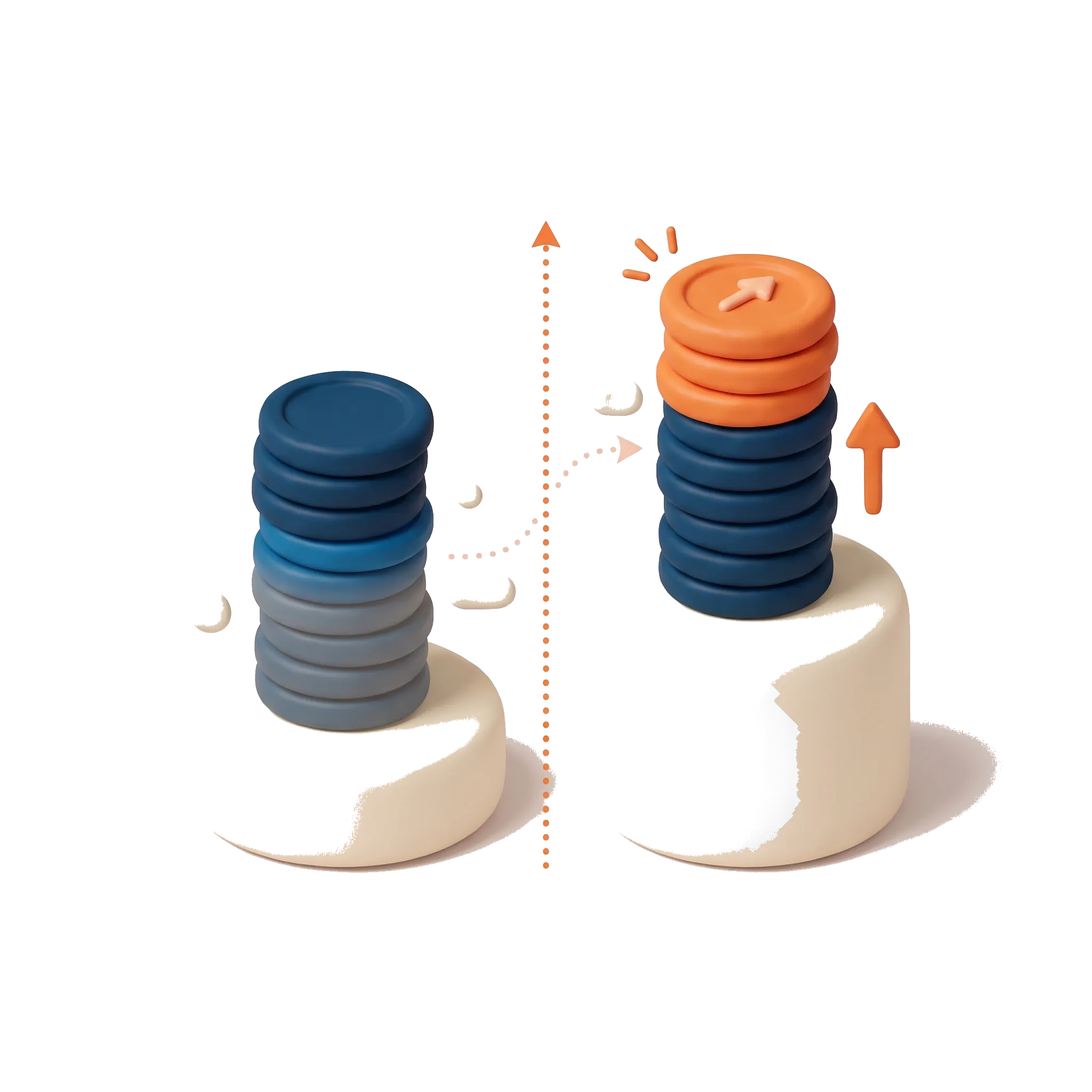

Do you own an investment property you were quietly planning to sell one day?
Have you heard the 50% capital gains tax discount disappears on 1 July 2027, and felt the urge to get out before it does?
And what if the number that decides whether you are better or worse off is not the discount rate at all?
Before you do anything rash, read this. Ahead: what actually changed and when, the one number that decides your outcome, the same sale run under the old rules and the new, how the growth you have already earned is protected, the choice a new dwelling gets, and what to actually do about it.
The 2027 capital gains tax changes, in plain English
Two things replace the old discount, and they arrive together on 1 July 2027 as part of the same Tax Reform No.1 legislation that reshaped negative gearing. For the precise legal wording, Baker McKenzie’s summary is accurate, if a dense read.
First, indexation. Your cost base, what you paid plus your buying and holding costs, is lifted for inflation over the time you held the asset. Only the gain above inflation, the real gain, is taxed at all. This is not a new idea; it is roughly how CGT worked before 1999, brought back in a new form.
Second, a minimum 30% rate on that real gain. Where a high earner might once have paid an effective rate in the low twenties after the 50% discount, the floor now sits at 30% of the real gain.
Simply put, the old system gave everyone the same flat half-price deal regardless of whether their gain was real or just inflation. The new system taxes the real gain only, but it takes a firmer minimum bite of it.
The number that actually matters
The headline everyone repeats is “you have lost the 50% discount”. But the number that decides whether you are worse off or better off is how much of your gain was inflation and how much was real.
Think about the two ends of that.
In a low-inflation, strong-growth run, almost all of your gain is real. Indexation shelters very little, and you have lost the discount that used to halve it. This is the case where the new rules cost you more. In a high-inflation, modest-growth run, a big slice of your “gain” was really just the dollar shrinking. Indexation strips that out, you are taxed on a much smaller real number, and a long-held asset might not be worse off at all.
So the reform quietly swaps a rule you could game with a holding period for one that tracks the economy you actually earned the gain in. That is worth understanding before you assume selling early is the clever move.
CGT indexation versus the 50% discount, on an illustrative sale

Here is a made-up sale to show the shape of it. The figures are illustrative and the fine mechanics will be confirmed by ATO guidance, so treat this as the pattern, not a promise about your own deal.
Say you bought an investment property for $600,000 and later sell it for $900,000. Your nominal gain is $300,000.
| Scenario | Old rules (50% discount) | New rules (indexation + 30% floor) |
|---|---|---|
| Low inflation (cost base indexes to about $630k, real gain about $270k) | Taxed on $150,000 | Taxed on about $270,000, floor 30% |
| High inflation (cost base indexes to about $780k, real gain about $120k) | Taxed on $150,000 | Taxed on about $120,000, floor 30% |
Look at what moves. Under the old rules the taxed amount is the same $150,000 either way, because the flat discount does not care about inflation. Under the new rules the taxed amount swings hard with inflation: high inflation shrinks your real gain and can leave you taxed on less than the old system would have, while low inflation leaves almost the whole gain exposed. The discount was blind to inflation. The new method is built around it.
That is the whole game. Not “is the discount gone”, but “how much of my gain is going to be real”.
The 1 July 2027 deemed valuation: your growth so far is protected
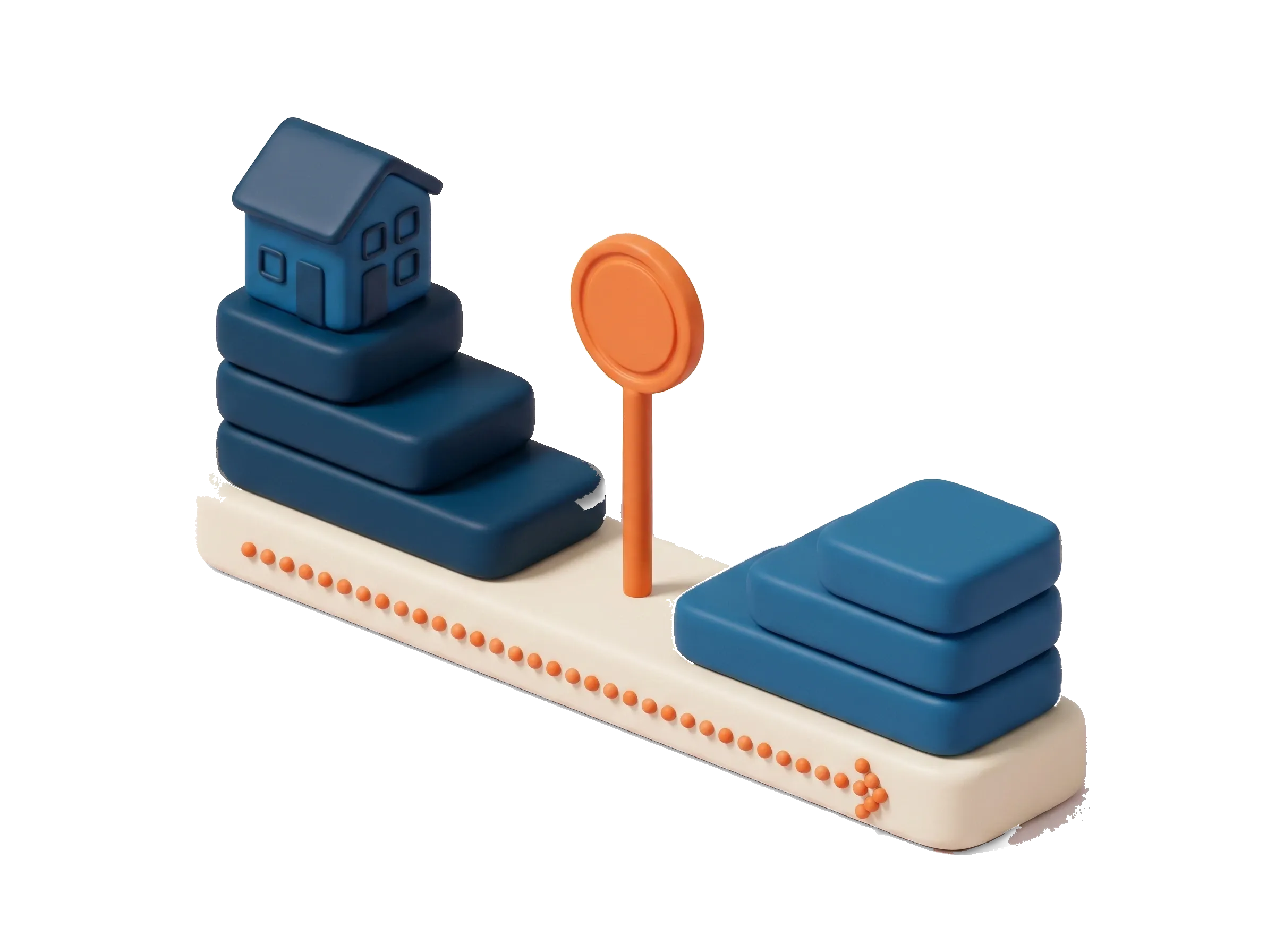
None of this is retrospective, and that matters more than the panic-sellers are letting on.
The law sets a deemed disposal and reacquisition at market value on 1 July 2027. In plain terms, your property is treated as if it were valued that day, and the growth you earned up to then stays under the old rules. The new method only applies to the gain that accrues from that point forward. You do not have to sell before the deadline just to lock in past growth, because the valuation does that for you.
So the calm version of the question is not “sell now or lose the discount”. It is “from mid-2027, is a fresh dollar of gain in this asset still worth earning, given the new maths”. That is a hold decision, and it is the same arithmetic we walk through in buy, hold or sell: holding costs against forecast growth, not a headline against a calendar.
New builds get a choice
There is one more piece, and it rhymes with the negative gearing changes. A new dwelling comes with an election to stay on the old 50% discount method if that works out better than indexation plus the floor. Established stock does not get that choice.
That is the second time in one budget that the tax code has quietly tilted toward new supply. It is the same signal the negative gearing rules sent: from 2027, a new build carries tax flexibility that an existing home simply does not. If you are weighing where to put capital, that flexibility is worth a real number in your model, and it is part of why investing in property development and buying at developer cost price both point at new stock rather than the house next door.
What to actually do
Do not sell in a hurry to beat a deadline you may not need to beat. The deemed valuation protects what you have already made. Instead, get three things in front of your accountant well before 1 July 2027: your likely 1 July 2027 valuation position, your marginal rate, and an honest view of how much of your future gain is likely to be inflation versus real. That is the model that answers hold-versus-sell for your situation, and it beats any rule of thumb.
If you would rather understand the machine than react to the headline, the negative gearing new-build rules are the companion to this one, and the ways to actually get a new build follow from both. They all sit inside our property market news, and you can run your own before-and-after numbers in the Manufactured Equity Calculator.
General information only. Nothing here is financial, credit or tax advice, and the worked figures are illustrative while detailed ATO guidance settles. Your circumstances are your own, and past results are not a promise of future performance. Speak with your registered tax agent before acting.
Frequently asked questions
Is the 50% capital gains tax discount being abolished?
For individuals, yes, from 1 July 2027. The flat 50% discount is replaced with cost base indexation, so only the gain above inflation is taxed, plus a minimum 30% tax rate on that real gain. It is not retrospective: a deemed valuation on 1 July 2027 protects the growth you earned before that date. This is general information, not tax advice.
What replaces the CGT discount in 2027?
Two mechanisms. First, indexation: your cost base is lifted for inflation over the period you held the asset, so only the real gain is taxed. Second, a minimum 30% rate applies to that real gain. In high-inflation periods indexation can shelter a lot of the gain; in low-inflation, high-growth periods it shelters very little, which is when the change is likely to cost you more than the old discount did.
Are my existing capital gains taxed under the new rules?
Only the growth that accrues after 1 July 2027. The law provides a deemed disposal and reacquisition at market value on that date, which locks in the value of what you have already earned under the old rules. So the change applies going forward, not backward. Get your 1 July 2027 valuation position right with your accountant, because it sets the new cost base.
Do new builds get a different CGT treatment?
Yes. A new dwelling comes with an election to stay on the old 50% discount method if that produces a better result than indexation plus the 30% floor. It is the same carve-out logic as the negative gearing changes: the tax system is being pointed at new housing supply.
Should I sell my investment property before 1 July 2027?
There is no one answer, and anyone who gives you a blanket yes or no is guessing. The deemed 1 July 2027 valuation means you do not have to sell just to protect past growth, because that growth is already locked in at that date. Whether to sell depends on your marginal rate, how much of your future gain is likely to be inflation, your holding costs, and your plans. Model it with your accountant before you act.
Sources
- Tax reform: boosting home ownership, reforming negative gearing and capital gains tax — Australian Taxation Office, accessed August 2026
- Australia: Major changes to CGT and negative gearing — Baker McKenzie, accessed August 2026